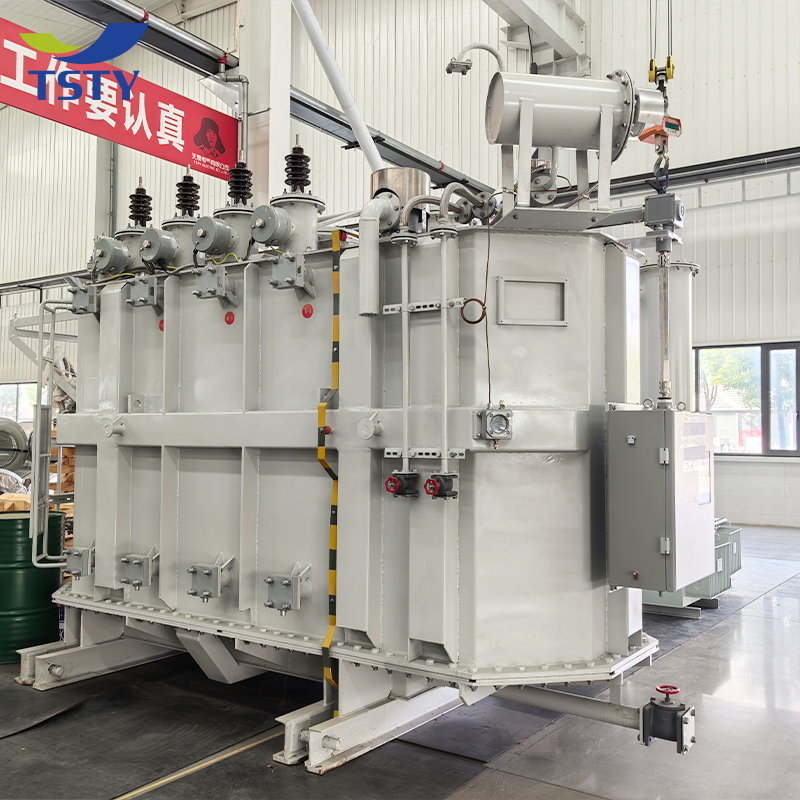
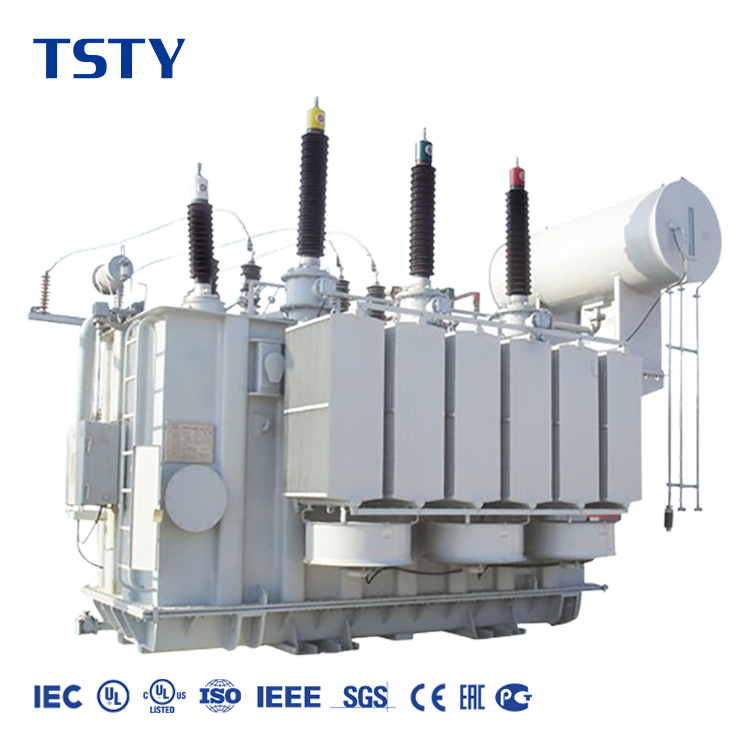
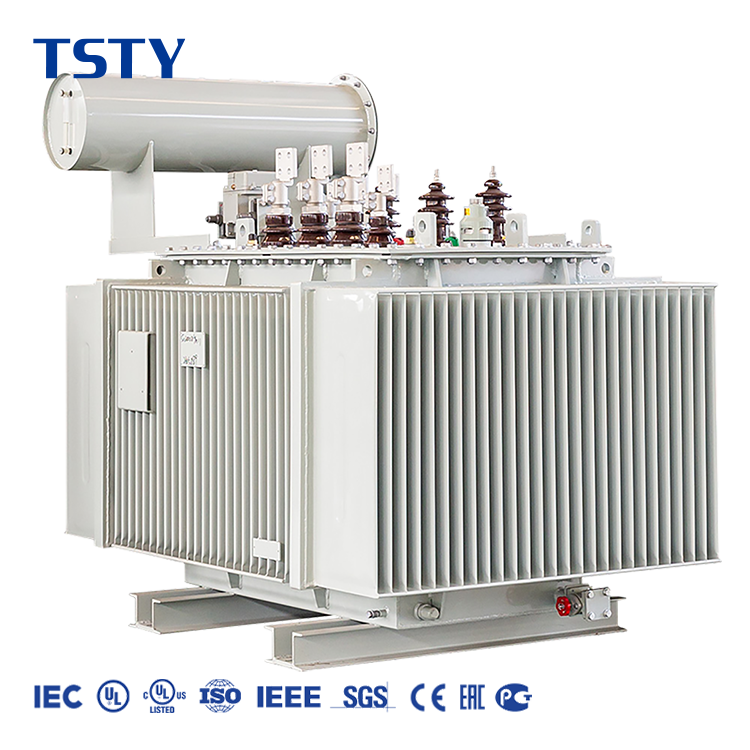
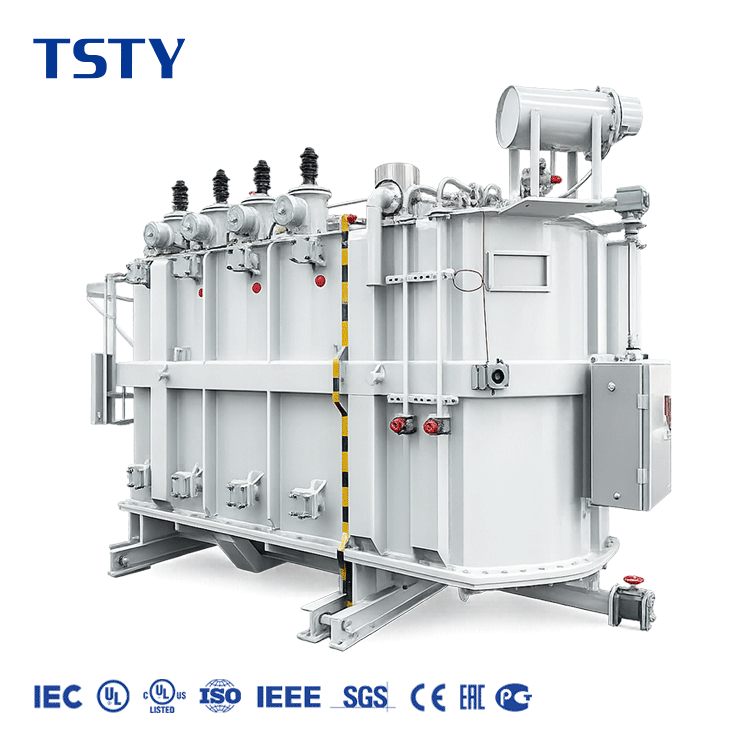
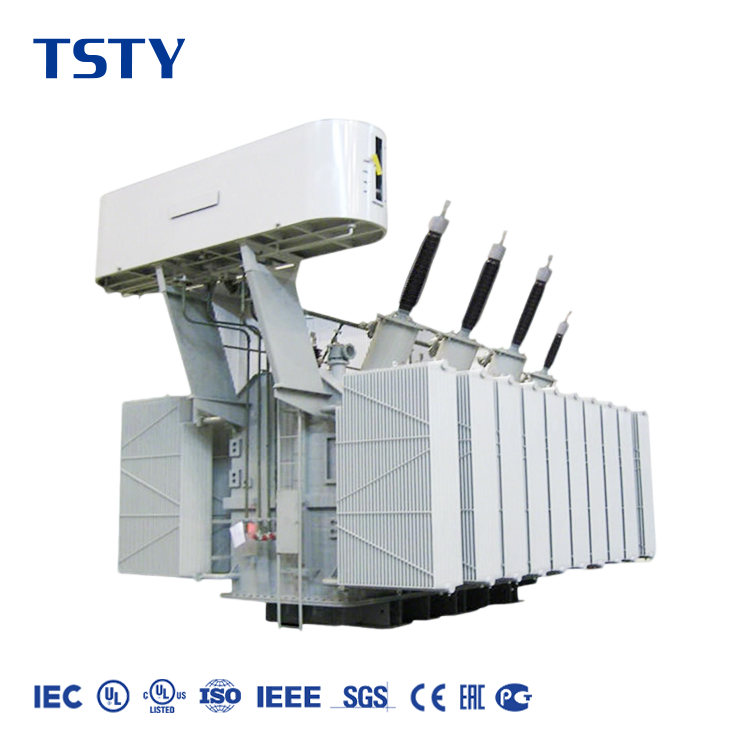
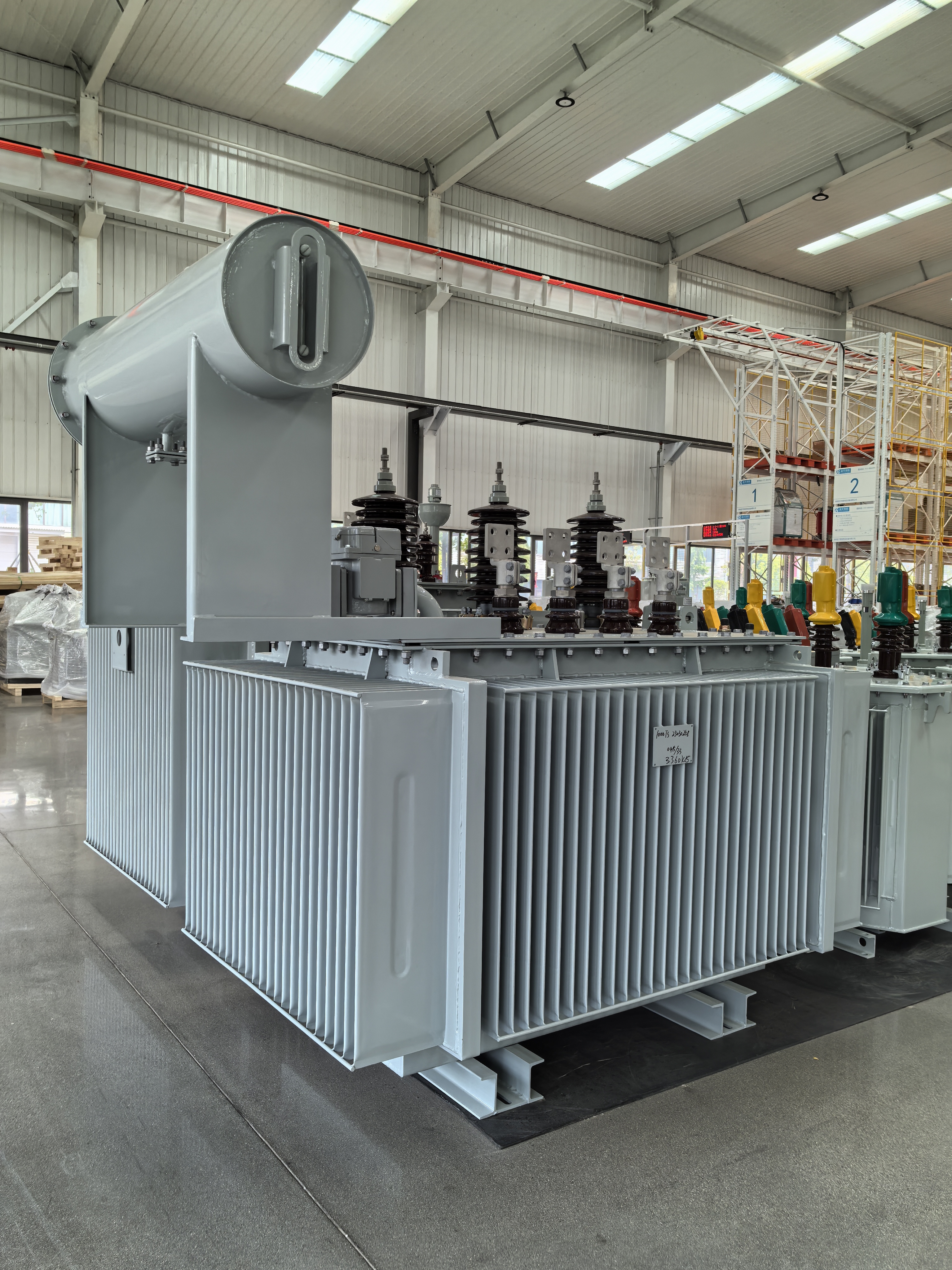
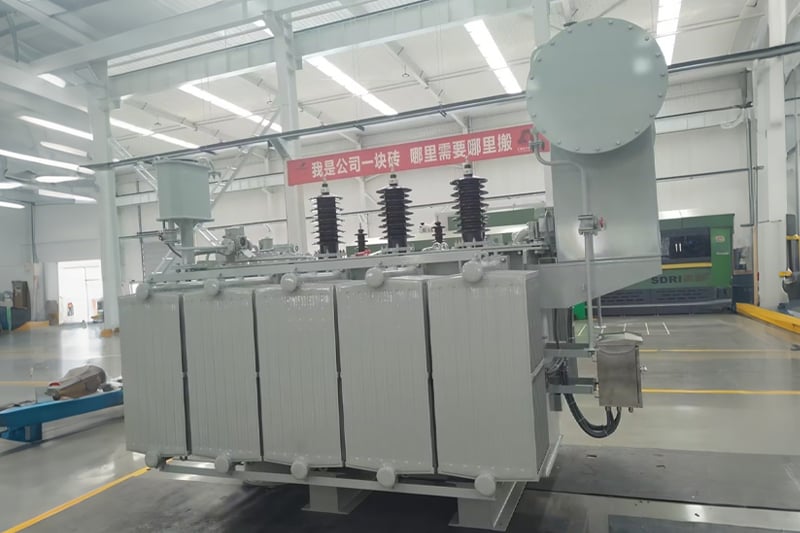
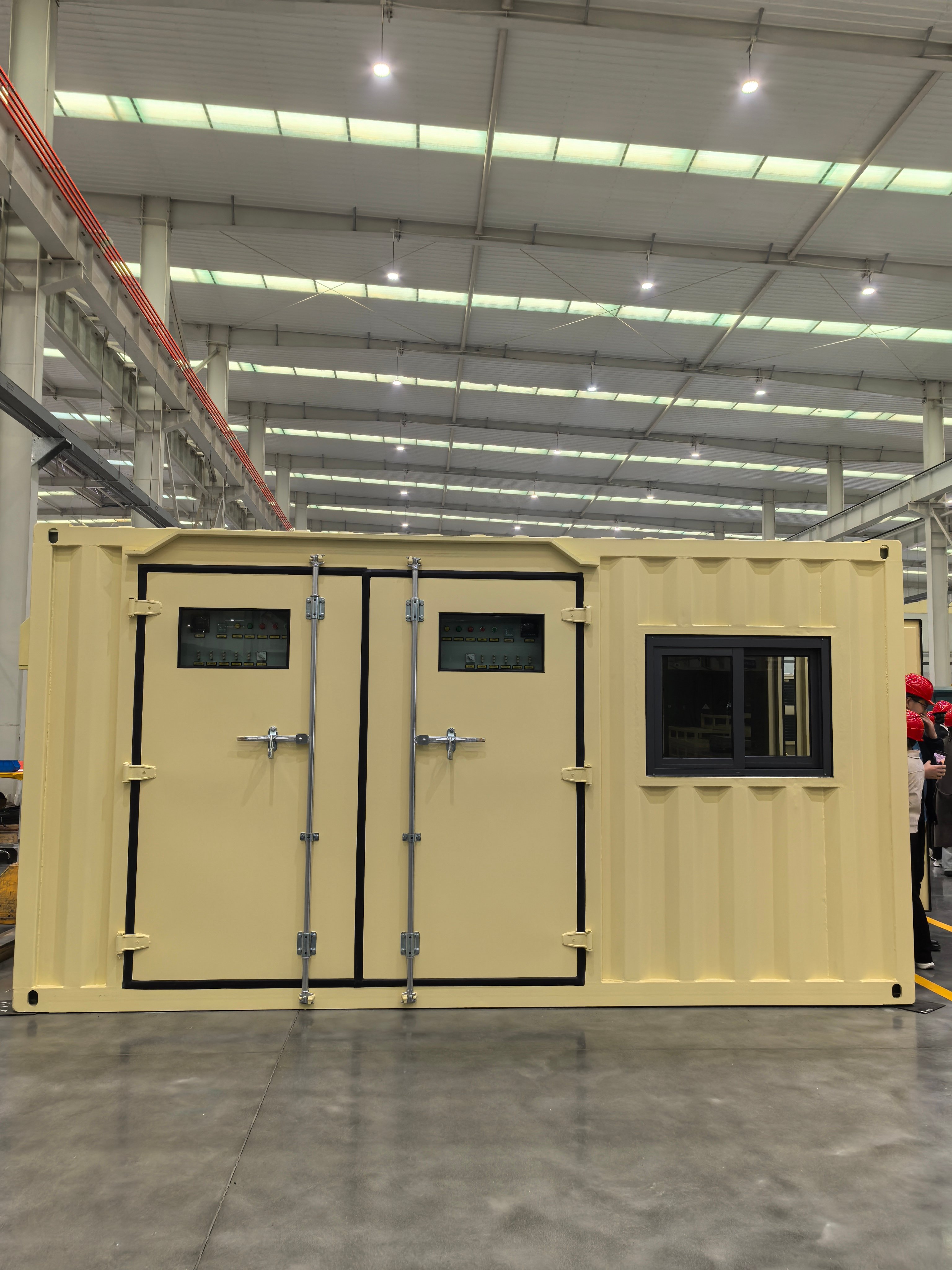
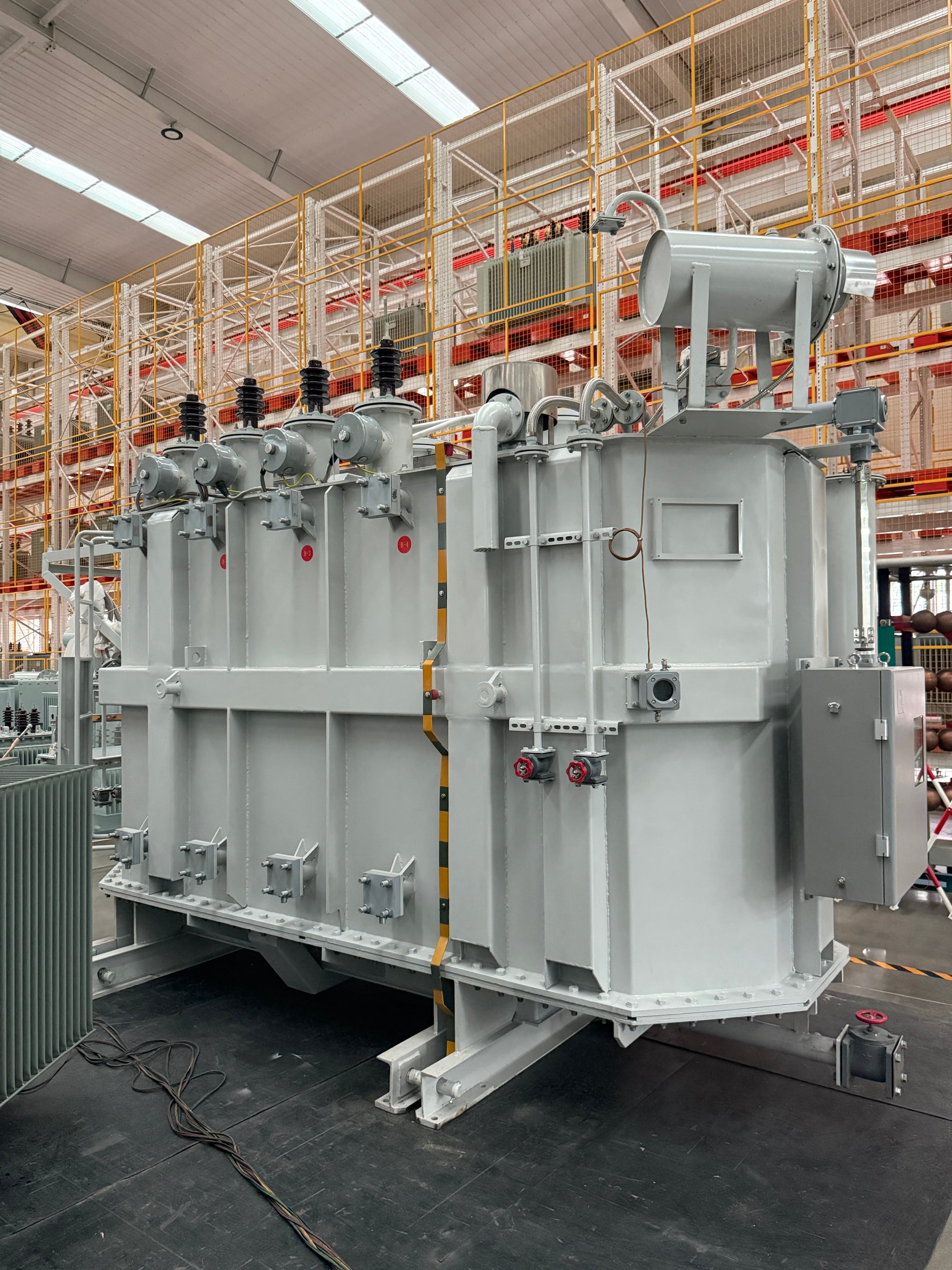
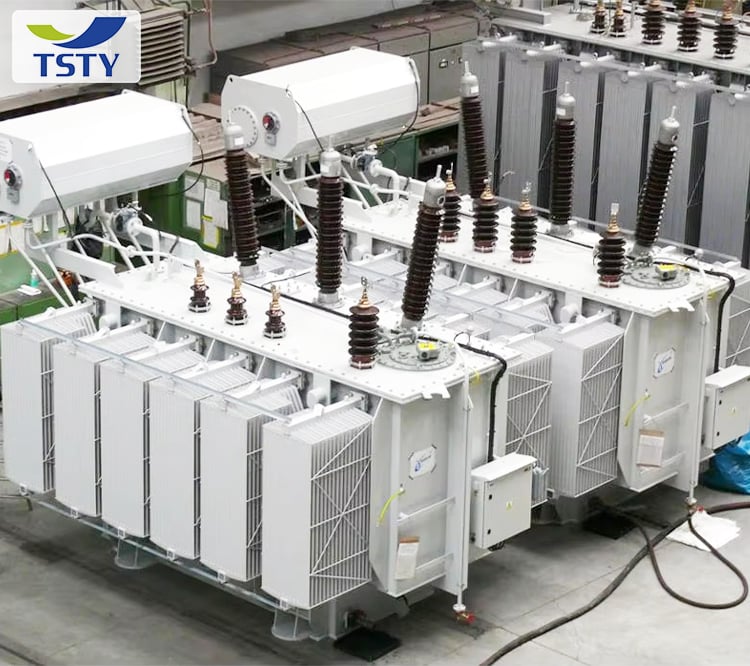
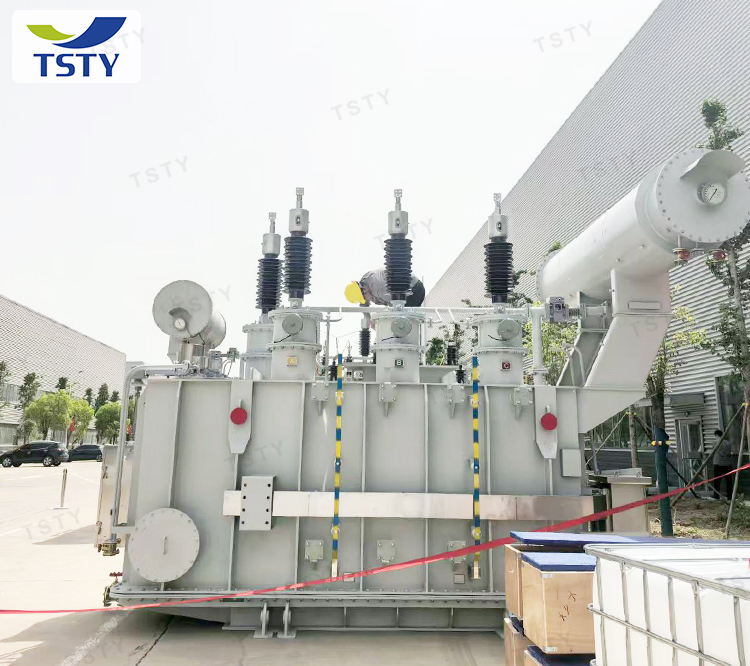
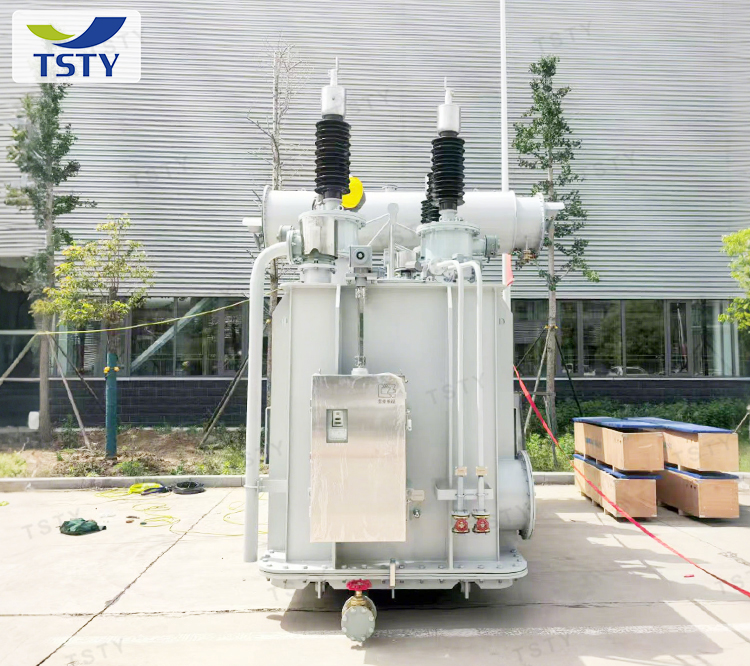
A large power transformer is a major capital asset in any high-voltage transmission network or heavy industrial facility. Unlike standard distribution units, large power transformers operate at the highest voltage levels and handle bulk energy transfer across regions. They serve as the critical link between generating stations and long-distance transmission lines, or between the transmission grid and regional distribution substations.
The technical specification of a large power transformer requires exact engineering. Project developers must define the MVA rating, primary and secondary voltage levels, short-circuit impedance, and insulation limits. Because these transformers connect directly to the main grid, utility companies impose strict regulations on no-load and load losses, noise levels, and thermal performance. Buyers need to determine the tapping range of the on-load tap changer (OLTC) to ensure the transformer can stabilize grid voltage during load fluctuations without interrupting the power supply.

Cooling is a significant factor in the design of large power transformers. Given the massive amounts of energy processed, internal heat generation is substantial. TSTY utilizes advanced cooling methods, including Oil Natural Air Forced (ONAF) or Oil Directed Air Forced (ODAF), depending on the required capacity and ambient site conditions. The placement of cooling radiator banks and cooling fans must be coordinated with the physical space available in the substation layout.
Logistics and installation planning for a large power transformer are highly complex. Due to their immense weight and dimensions, these units often exceed standard road transport limits. TSTY assists in this phase by designing the transformer tank for transport without oil, shipping the radiators, bushings, and conservator separately. The main tank is typically filled with dry nitrogen during transit to prevent moisture ingress. We provide detailed center of gravity diagrams, lifting points, and assembly manuals to guide site teams during the offloading and rebuilding process.
Purchasing a large power transformer requires early and transparent technical communication. Buyers should provide comprehensive single-line diagrams, site environmental data, and utility grid codes. In return, TSTY provides preliminary outline drawings, technical datasheets, and factory testing protocols to support the project approval phase.